
ECTFE Material: Superior Chlorine and Chemical Resistance Solutions
As a leading ECTFE (Halar®) material manufacturer in China, we provide semi-finished materials and custom-engineered liners for the most aggressive chemical environments. Equivalent to Solvay's Halar®, our ECTFE offers unmatched resistance to chlorine, acids, and oxidizers.
What is ECTFE material(Ethylene Chlorotrifluoroethylene)?
ECTFE (Ethylene Chlorotrifluoroethylene), commonly known by the brand name Halar® from Solvay, is a high-performance fluoropolymer that offers the best chlorine and wet chlorine resistance among all plastics. ECTFE combines exceptional chemical resistance with high mechanical strength, making it the material of choice for chlor-alkali plants, chemical processing equipment, and water treatment systems.
Unlike PTFE and other fluoropolymers, ECTFE provides superior resistance to strong oxidizers, chlorine dioxide, and peroxides. Its excellent permeation barrier properties prevent chemical penetration, extending equipment life and protecting underlying structures from corrosion. ECTFE can be processed using conventional thermoplastic techniques, allowing for complex shapes and custom fabrications.
With a service temperature range from -76°C to +150°C and outstanding flame retardancy (LOI 60%), ECTFE delivers reliable performance in the harshest chemical environments. Our ECTFE products meet or exceed Halar® specifications, providing you with equivalent performance at competitive pricing.
Key Characteristics of ECTFE Material

Unmatched Chlorine Resistance
Best resistance to chlorine, wet chlorine, and chlorine dioxide among all plastics. Ideal for chlor-alkali industry equipment.

Broad Chemical Resistance
Superior resistance to strong acids, oxidizers, and corrosive chemicals. Withstands hydrochloric acid, sulfuric acid, and nitric acid.

High Mechanical Strength
Excellent impact resistance and wear resistance, superior to PTFE. Maintains structural integrity under mechanical stress.

Outstanding Flame Retardancy
UL 94 V-0 rating with limiting oxygen index (LOI) of 60%. Low smoke generation and self-extinguishing properties.

Wide Temperature Range
Continuous service from -76°C to +150°C (-105°F to +302°F) without property degradation.

Low Permeability
Excellent barrier properties prevent chemical permeation and protect substrates from corrosive attack.
Primary Application Fields of ECTFE Polymer
ECTFE's unique properties make it indispensable across multiple demanding industries

Chlor-Alkali Industry
ECTFE tank linings, ECTFE valve components, and ECTFE piping systems for chlorine production. Unmatched resistance to chlorine and caustic environments.

Chemical Processing
ECTFE storage tanks, ECTFE reactor vessels, ECTFE heat exchangers, and ECTFE transfer piping for aggressive chemicals including strong acids and oxidizers.

Water Treatment
ECTFE desalination equipment components, ECTFE chemical feed systems, and ECTFE electrochemical cells for potable water and wastewater treatment.

Semiconductor Manufacturing
High-purity ECTFE chemical distribution systems, wafer processing equipment ECTFE components, and wet bench ECTFE linings for chip fabrication.

Pharmaceutical Production
High-purity ECTFE containers, ECTFE reactor linings, and ECTFE transfer systems meeting FDA requirements for drug manufacturing.

Oil & Gas
ECTFE downhole components, ECTFE valve seats, and ECTFE protective linings for sour gas and corrosive hydrocarbon applications.
Our ECTFE Plastic Lines
Comprehensive ECTFE solutions from stock shapes to custom-engineered systems
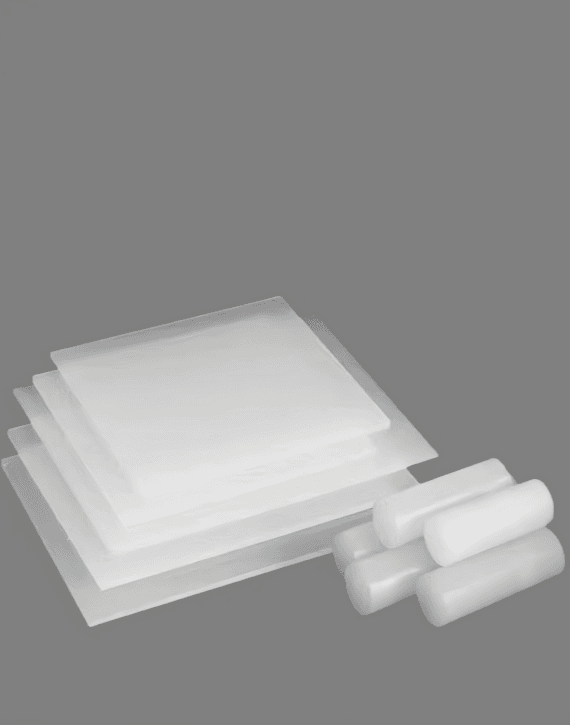
Semi-finished ECTFE Products
We supply premium quality semi-finished ECTFE materials including ECTFE sheets, ECTFE rods, and ECTFE tubes. These Halar®-equivalent products are ideal for fabricators and machinists who need reliable raw materials for producing gaskets, seals, custom parts, and structural components. Available in multiple sizes and grades to meet your specific application requirements.
Available ECTFE Forms:
- ECTFE Sheets - Various thicknesses (3mm - 50mm) and standard sizes
- ECTFE Rods - Multiple diameters for CNC precision machining
- ECTFE Tubes - Custom dimensions for piping and flow systems
- ECTFE Film - Thin gauge for lamination and barrier applications
- Virgin and certified high-purity grades available
- Complete material certifications and test reports
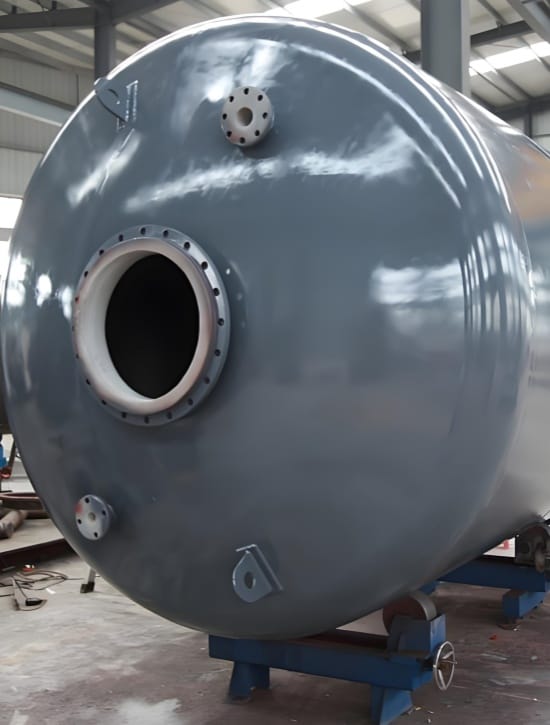
ECTFE Chemical Processing Solutions
Specialized ECTFE liners and coatings engineered for chemical processing equipment protection. Our custom-fabricated ECTFE linings provide complete protection for tanks, vessels, reactors, and piping systems exposed to the most aggressive chemicals. Expert installation and welding services ensure leak-proof, long-lasting performance in chlor-alkali plants and chemical facilities.
Chemical Lining Solutions:
- ECTFE Tank Liners - Custom-fitted for storage and process tanks
- Reactor Vessel Linings - High-temperature chemical reactor protection
- Pipe and Fitting Liners - Seamless corrosion protection for transfer systems
- ECTFE Expansion Joints - Flexible connections for thermal cycling
- Coating Services - Spray and rotolining application
- On-site installation and technical support services
Technical Advantages of ECTFE Material
Why ECTFE material outperforms other fluoropolymers in demanding chemical applications
Unparalleled Chlorine Performance
ECTFE material provides the best resistance to chlorine and wet chlorine among all fluoropolymers. No other plastic material can match ECTFE's performance in chlor-alkali environments.
International Standards Compliance
Meets ASTM D3275 specifications for ECTFE materials. Available with complete material certifications, test reports, and traceability documentation.
Complete Material Certifications
Every batch supplied with comprehensive certification reports including mechanical properties, chemical resistance data, and thermal characteristics.
Custom Processing Support
Expert machining, fabrication, and lining services available. Our technical team provides design assistance and application-specific recommendations.
Why Choose B&C for ECTFE Products
Your trusted partner for Halar®-equivalent ECTFE solutions

Halar® Equivalent Quality
Our ECTFE products meet or exceed Solvay Halar® specifications. Rigorous quality control ensures consistent performance batch after batch.

Chemical Engineering Expertise
Our ECTFE material scientists and chemical engineers provide expert guidance on material selection, chemical compatibility, and application design.

Custom Fabrication Services
Complete machining, welding, and lining services in-house. From stock shapes to turnkey lined equipment, we handle all your needs.

Ready Stock Availability
Large inventory of standard ECTFE sheets, ECTFE rods, and ECTFE tubes for immediate shipment. Custom sizes with short lead times.

Competitive Pricing
Direct manufacturer pricing without middleman markup. Halar®-equivalent performance at significantly lower cost.

Worldwide Supply
Efficient global logistics network ensures timely delivery worldwide. Experienced in export documentation and customs procedures.
ECTFE Polymer vs Other Fluoropolymers
Performance comparison: Why ECTFE polymer excels in chemical processing applications
| Property | ECTFE (Halar®) | PTFE | PVDF | FEP |
|---|---|---|---|---|
| Chlorine Resistance | Excellent (Best) | Good | Fair to Good | Good |
| Strong Oxidizer Resistance | Excellent | Excellent | Fair | Good |
| Max Service Temperature | 150°C (302°F) | 260°C (500°F) | 150°C (302°F) | 200°C (392°F) |
| Tensile Strength | 40-45 MPa (High) | 27 MPa (Medium) | 45-55 MPa (High) | 21 MPa (Low) |
| Impact Resistance | Excellent | Good | Excellent | Fair |
| Flame Retardancy (LOI) | 60% (Outstanding) | 95% (Excellent) | 44% (Good) | 95% (Excellent) |
| Permeability | Very Low | Very Low | Low | Very Low |
| Processing | Conventional Melt | Special (Sintering) | Conventional Melt | Conventional Melt |
| Best Applications | Chlor-alkali, Chemical Liners | Seals, High Temp | Chemical, Architectural | Wire, Tubing |
Frequently Asked Questions About ECTFE Material
Common questions about ECTFE products, Halar® equivalency, and applications
What is the difference between ECTFE and Halar®?
+ECTFE (Ethylene Chlorotrifluoroethylene) is the generic chemical name for this fluoropolymer material. Halar® is the registered trademark owned by Solvay (formerly from Allied Signal) for their brand of ECTFE products. Just as Teflon® is a brand name for PTFE, Halar® is a brand name for ECTFE. Our ECTFE products are chemically equivalent to Halar® and meet the same ASTM D3275 specifications, offering identical performance characteristics at more competitive pricing.
Why is ECTFE the best choice for chlorine service?
+ECTFE provides superior resistance to chlorine, wet chlorine, chlorine dioxide, and hypochlorite compared to all other plastics and fluoropolymers. While PTFE and other fluoropolymers have good chlorine resistance, ECTFE excels in applications involving concentrated chlorine, especially at elevated temperatures. The chlor-alkali industry relies heavily on ECTFE for tank linings, valve components, and piping because it's the only material that can reliably withstand continuous exposure to these extremely aggressive chemicals without degradation.
Can ECTFE be welded or bonded for fabrication?
+Yes, ECTFE is a melt-processable thermoplastic that can be welded using hot gas, hot plate, extrusion, or ultrasonic welding techniques. This is a significant advantage over PTFE, which requires specialized sintering processes. ECTFE welds can achieve 80-100% of the base material strength when properly executed. This weldability makes ECTFE ideal for fabricating complex tank linings, piping systems, and custom vessels. Our fabrication team has extensive experience in ECTFE welding and can provide turnkey lined equipment installation services.
What chemicals can attack or damage ECTFE?
+ECTFE has excellent resistance to most chemicals, but like all materials, it has limitations. ECTFE can be attacked by: concentrated ammonia at elevated temperatures (above 80°C), organic amines (methylamine, ethylamine), and certain strong Lewis acids. It also has limited resistance to fuming sulfuric acid (oleum) and hot concentrated sodium hydroxide above 60°C. For most industrial chemical processing applications involving acids, oxidizers, chlorine, and solvents, ECTFE provides outstanding long-term resistance. Always consult our chemical resistance charts or contact our technical team for specific chemical and temperature conditions.
How does ECTFE compare to PVDF for chemical processing?
+While both ECTFE and PVDF are excellent fluoropolymers for chemical processing, they have different strengths. ECTFE excels in chlorine service, strong oxidizer resistance, and has superior impact resistance. It also has better flame retardancy (LOI 60% vs 44% for PVDF). PVDF has comparable mechanical strength and can handle higher temperatures in some applications. For chlor-alkali plants, water treatment with chlorine, and applications with strong oxidizers like hydrogen peroxide or chlorine dioxide, ECTFE is the preferred choice. PVDF is often selected for outdoor architectural applications, ultrapure water systems, and some acid handling applications. The choice depends on your specific chemicals, temperatures, and mechanical requirements.
What certifications and quality documents do you provide with ECTFE products?
+We provide comprehensive documentation with every ECTFE shipment, including: Material Certification Reports with complete chemical composition and mechanical properties data, Lot Traceability Documentation linking your material to production records, ASTM D3275 compliance certificates confirming ECTFE specifications, Material Safety Data Sheets (MSDS), FDA compliance letters for food-contact grades when applicable, and RoHS/REACH compliance declarations for European customers. For critical applications requiring additional testing, we can provide third-party laboratory test reports for chemical resistance, physical properties, or application-specific performance validation. All documentation meets international quality standards and project specification requirements.
