4 Unique Solutions to solve Conveyor Belt Sticking & Release Issues with PTFE Coated Conveyor Belt
Conveyor belt downtime due to sticking, residue buildup, and difficult cleanup is a major drain on productivity and profitability. If you’re constantly battling these issues, a PTFE coated conveyor belt might be the permanent solution you need. This guide explores the most common conveyor problems and explains how the superior non-stick properties of PTFE coated fabrics can solve them.
PTFE coated conveyor belt introduction: When Production Lines Grind to a Halt
In food processing, packaging, and industrial manufacturing, conveyor belts are the arteries of production. When they fail, the entire operation stops. Common issues like product sticking, difficult cleaning, and belt degradation lead to massive inefficiencies, product waste, and food safety concerns. PTFE coated fabric belts are engineered specifically to solve these chronic problems, transforming a maintenance headache into a reliable asset.
Problem 1: Product Sticking and Residue Buildup
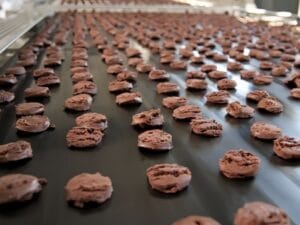
- The Pain Point:Sticky products—from dough and candy to hot-melt adhesives and uncured resins—adhere to conventional belts. This causes misaligned products, uneven processing (e.g., cooking or cooling), and requires frequent, costly downtime for scraping and cleaning.
- The PTFE Solution:PTFE has the lowest coefficient of friction of any solid material. This creates a near-perfect non-stick surface. Products release cleanly, ensuring consistent positioning and quality. This is crucial in bakeries, confectionery, and non-woven fabric production.
Problem 2: Poor Hygiene and Difficult Sanitation
- The Pain Point:Porous belt materials can absorb oils, fats, and bacteria, creating a sanitation nightmare. In food processing, this can lead to contamination and failure to meet HACCP or FDA standards. Cleaning requires aggressive chemicals and high-pressure washers that can damage the belt.
- The PTFE Solution:The non-porous, inert surface of PTFE prevents bacteria from adhering and makes cleaning exceptionally easy. A simple wipe-down or a pass through a wash station is often sufficient. This reduces water and chemical usage and ensures compliance with the strictest hygiene protocols.
Problem 3: High-Temperature Damage and Belt Failure
- The Pain Point:Standard polymer belts degrade, become brittle, or melt when exposed to high temperatures from ovens, freezers, or hot products. This drastically shortens belt life and can cause catastrophic failure.
- The PTFE Solution:PTFE coated fabric belts can operate continuously at temperatures up to 260°C (500°F) and withstand even higher short-term exposures. The fiberglass base provides dimensional stability, preventing stretching or shrinking under thermal stress. This makes them ideal for applications spanning industrial ovens to spiral freezers.
Problem 4: Belt Tracking Issues and Edge Wear
- The Pain Point:Belts that stretch or have weak edges are prone to mis-tracking (riding off the rollers), causing damage to the belt and the conveyor frame.
- The PTFE Solution:The high-tensile-strength fiberglass substrate is highly resistant to stretching. Furthermore, suppliers can provide belts with reinforced, sealed edges that resist fraying and wear, ensuring consistent tracking and a longer operational life.
Real-World Testimonial: A Bakery’s Success Story
“A leading industrial bakery was struggling with their dough proofing conveyor. Dough would consistently stick to their plastic belt, requiring a 4-hour shutdown every shift for manual cleaning. After switching to a custom-width PTFE coated fabric belt from us, the sticking issue was eliminated entirely. They now run 24/7 with only a quick 15-minute clean-up between shifts, increasing their production uptime by over 15% and significantly reducing labor costs.”
Selecting the Right PTFE Belt for Your Application
Not all PTFE belts are the same. Key specifications include:
- Fabric Weight:A heavier fabric (e.g., Style 7628) is for high-tension applications.
- Coating Thickness:A thicker PTFE layer enhances non-stick properties and longevity.
- Surface Finish:Glossy for maximum release, matte for applications requiring some grip.
- FDA Compliance:Essential for direct food contact applications.
Tired of conveyor belt downtime? Request a free sample swatch of our PTFE coated fabric to test with your product.
Upgrading to a PTFE coated conveyor belt isn’t just a repair—it’s an investment in seamless operation. By eliminating common sticking and release issues, you can significantly reduce downtime, maintenance costs, and product waste.
Ready to solve your conveyor belt challenges for good?
Explore our full range of high-performance conveyor solutions: Coated Industrial Fabrics